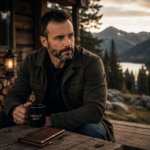
Fall menswear has a clear theme this year, and it is refreshingly simple: structure is back, and comfort did not leave. Across the season’s reporting, the same ideas keep surfacing. Smarter layering, sharper tailoring, richer color, and pieces meant to last more than one winter. For men over 40, that is good news, because it rewards what you should be doing anyway: get the fit right, buy fewer things, and spend where it counts.
Tailoring is coming back
After several seasons of very relaxed silhouettes, the fall collections lean toward clean lines, defined shoulders, and traditional dress codes. The suit is having a real return, including the three-piece. You do not need the runway version. A navy or charcoal suit in a plain weave, tailored to you, is the safest way into the trend and will outlast it. If you already own a good one that no longer fits, a tailor is cheaper than a replacement, and getting the fit right matters more than the label.
Spend on the coat
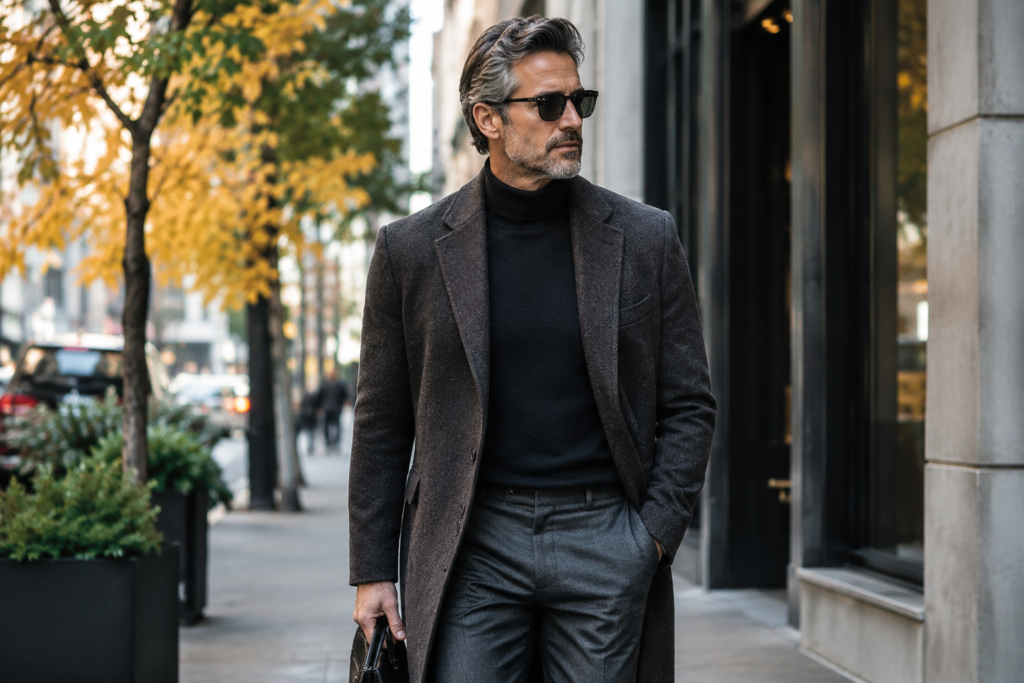
Outerwear carries the most weight in a fall wardrobe, and this year the classic Chesterfield, a tailored wool overcoat, is back alongside utility-style jackets and the overshirt, often called a shacket. If you can only upgrade one thing, make it the coat. A well-cut wool overcoat in charcoal, navy, or camel works over a suit, over knitwear, and over a plain shirt and dark jeans. A shacket covers the days when an overcoat is too much. Check the shoulder seam sits where your shoulder ends and that you can still reach forward without the sleeves riding up.
Layers with texture, not noise
The practical idea behind this season is lighter, adaptable layering that you can add or remove through the day. Think a henley or plain tee as the base, a knit or flannel as the middle layer, and the coat on top. Texture does the work that loud pattern used to do: merino, wool, flannel, suede, corduroy. Turtlenecks are part of the story too, and they suit a lot of men over 40 because they look deliberate without a tie. Keep the base layers fitted and the outer layers a little roomier so the whole thing does not look boxy.
Trousers: looser and higher, within reason
Skinny fits are fading, and higher-waisted, looser-cut trousers are in. Take the idea, not the extreme. A straight leg with a modest taper in dark denim or wool is the sweet spot, sitting at your natural waist with a clean break over the shoe. Dark denim is still the most versatile piece you can own: it goes with boots, with loafers, and with a blazer. If your current pairs are tight through the thigh, this is a good season to replace them.
Color has more range than black and gray
Designers are working richer tones into fall: rust, olive, deep burgundy, and muted blue-gray, usually next to neutrals instead of replacing them. The easy approach is to keep the foundation neutral and add one colored piece at a time, such as an olive overshirt, a rust knit, or a burgundy scarf. If you are unsure, hold the color away from your trousers and shoes and put it where it frames your face.
What to skip
Runway menswear always includes things that are interesting to look at and hard to live in. Oversized tunic shapes, winter shorts, and heavy statement prints are not worth chasing. Skip anything you would only wear once, and skip logo-heavy pieces that date quickly. The trends that are worth your money this season are the ones that also happen to be classics.
Three outfits that cover most of your week
For work, start with tailored trousers or dark denim, a fitted knit over an open-collar shirt, and leather boots or loafers. Add the overcoat on the way out. It reads as put together without looking like a uniform. For a weekend, a henley under a flannel or shacket with dark jeans and boots is hard to beat, and it works for coffee, errands, or a casual dinner. For a date night or a dinner out, swap the shacket for a blazer, wear a turtleneck or a crisp shirt, and keep the rest dark. One rich color, such as rust or olive, is enough to make it look considered.
Buy smarter, not more
Before you buy anything, check what you already own against this list. Most men find they need two or three pieces, not a new wardrobe. Look for natural fibers, since wool and cotton hold their shape and age better than cheap blends, and check the seams and buttons. If something needs altering to fit, price the tailoring in before you decide it is a bargain. Fall pieces tend to be the ones you wear for years, so spend the money here and save on the trendier items.
If you only buy four things
A wool overcoat, a merino knit or turtleneck, dark straight-leg denim or tailored trousers, and a pair of boots that look right with both. That covers most of fall. Our guide to shoes worth owning will help with the boots, and the 40+ wardrobe checklist shows you what you may already have. Dressing well after 40 is rarely about catching a trend. It is about owning fewer clothes that fit properly and wearing them with some intention.