 LEGACY GENT
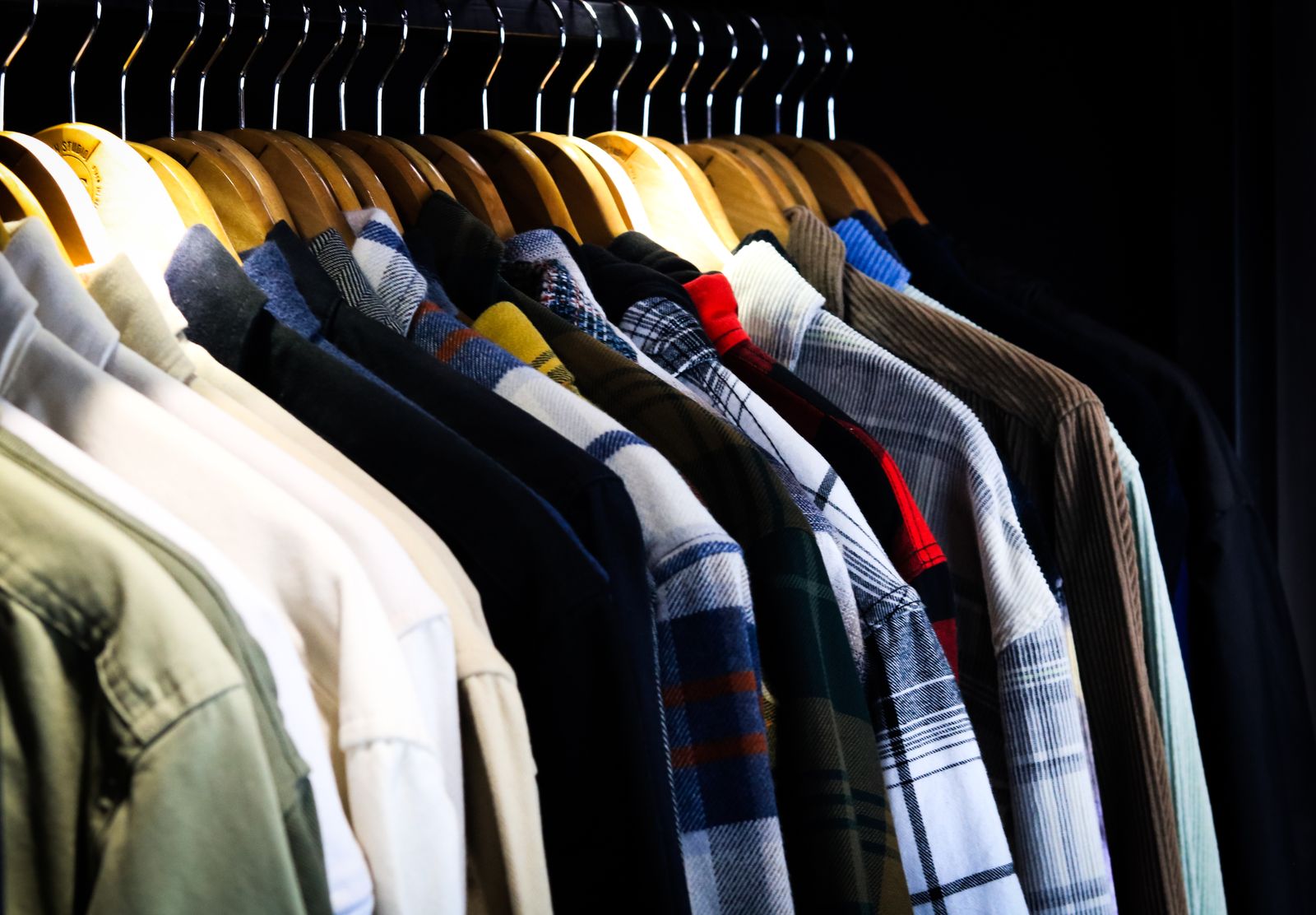
A “wardrobe checklist” sounds like something you’d hand a teenager heading off to college, not a grown man with a closet full of clothes. But go through most closets after 40, piece by piece, and the pattern is familiar: four nearly identical blue button-downs, no suit that fits properly, and not one pair of shoes you’d trust at a wedding. Plenty of clothes. Not much of a wardrobe.
What follows is the list worth having before that closet audit, organized by what actually gets worn, not by what looks good folded on a store shelf. Work through it category by category. You won’t need everything on it, and that’s fine. The point isn’t to buy more. Half of this exercise is figuring out what to get rid of.
The Foundations
- A dress shirt that’s actually been fitted. Not “fits okay off the rack.” Actually fitted, or at minimum hemmed at the sleeve. Two in white or light blue will outlast a dozen novelty prints.
- One pair of dark, unfaded jeans. Straight or slim-straight, no rips, no fading at the thigh. This is the pair you wear when jeans need to look intentional.
- A neutral crewneck sweater. Navy, charcoal, or oatmeal. Layers over a collar, works alone, never dates itself.
- An undershirt you’re not embarrassed to be seen in. If your undershirts have gone see-through or yellow at the collar, that’s not a backup wardrobe, that’s a laundry problem waiting to become a visible one.
- A belt that matches your good shoes. Brown or black leather, matched to your most-worn dress shoe. Mismatched belt and shoes is the kind of thing men over 40 get noticed for in the wrong way.
The One Good Suit
- A properly tailored suit in navy or charcoal. Not the one from ten years ago that technically still buttons. If you’ve had a fitting where someone measured your actual shoulders, you know the difference; if you haven’t, that’s the fix.
- A dress shirt built specifically for that suit. White, no exceptions, no pattern competing with the jacket.
- One tie that isn’t tied to a specific decade. Solid or subtly textured, not the wide paisley from your wedding twenty years ago.
- Dress shoes that have seen polish more than once. Oxford or derby, black or dark brown, resoled rather than replaced.
Smart-Casual, the Category Most Men Skip
- A blazer that isn’t part of the suit. Navy or a subtle texture, worn with jeans or chinos. This single piece does more work than almost anything else in a 40+ closet: dinner, a casual work event, a nicer date, all covered.
- Chinos in two colors. Khaki and navy or gray cover most situations that don’t call for jeans or a full suit.
- A collared shirt that isn’t a dress shirt. Oxford cloth or a textured weave, worn open-collar or under the blazer.
- Clean white sneakers, minimal branding. The single fastest upgrade from “trying too hard” to “put together” for anything below business-casual.
Outerwear
- A wool or wool-blend overcoat. Goes over the suit and over casual clothes both. One good coat replaces three mediocre jackets.
- A weatherproof jacket that isn’t from a big-box store’s clearance rack. For the days a coat is overkill but you still need to not look like you dressed in the dark.
Footwear: How Many Pairs You Actually Need
Here’s the honest answer: five, if you’re doing it right. One dress shoe for the suit. One versatile leather shoe (loafer or clean derby) for smart-casual. One white sneaker. One boot for weather. One athletic shoe that’s actually for exercise and nothing else. Everything past that is either a hobby or a closet problem.
What to Actually Retire
- Anything with a logo bigger than a thumbnail.
- Novelty ties, novelty socks worn as a personality trait, novelty anything.
- The suit from a decade-plus ago that “still fits” if you don’t move your arms.
- Sneakers you can’t remember buying.
- Any shirt with a collar so worn it curls on its own.
Run the Fit Test Before You Keep Anything
Every piece on the keep list should pass four checks in front of a mirror.
- Shoulders. The seam sits at the edge of your shoulder, not drooping past it or pulling inward.
- Sleeves. The jacket sleeve ends at the wrist bone, with a quarter to half inch of shirt cuff showing.
- Trousers and shirts. Trousers break once at the shoe without bunching, and your shirt stays tucked when you raise your arms.
- Comfort. You can sit, reach, and drive in it without adjusting anything.
What a Tailor Can and Can’t Fix
Trouser hems, sleeve length, taking in a waist, and shirt side seams are usually easy jobs. Jacket shoulders and a collar that is too tight are hard or impossible to fix. The rule that follows is simple: buy for the shoulders and the neck, and tailor everything else.
Buy in This Order
- What you wear every week: shirts, jeans, and everyday shoes.
- The suit and the blazer.
- Outerwear.
- Extras.
Keep It Working
Rotate your shoes and give each pair a day off between wears. Use cedar shoe trees. Wash shirts and sweaters less often than you think you need to, steam instead of pressing when you can, and dry-clean a suit only when it actually needs it.
None of this is about spending more. Any good tailor will tell you the same thing: a mid-range suit properly fitted beats an expensive one left exactly as it came off the rack, almost every time. The goal of this list isn’t a bigger closet. It’s one where everything in it earns its spot.
Get the printable PDF of this checklist
A clean, two-page version with checkboxes, ready to print or keep on your phone. Free. Signing up also subscribes you to The Legacy Letter, our weekly email.




Leave a Reply