 LEGACY GENT
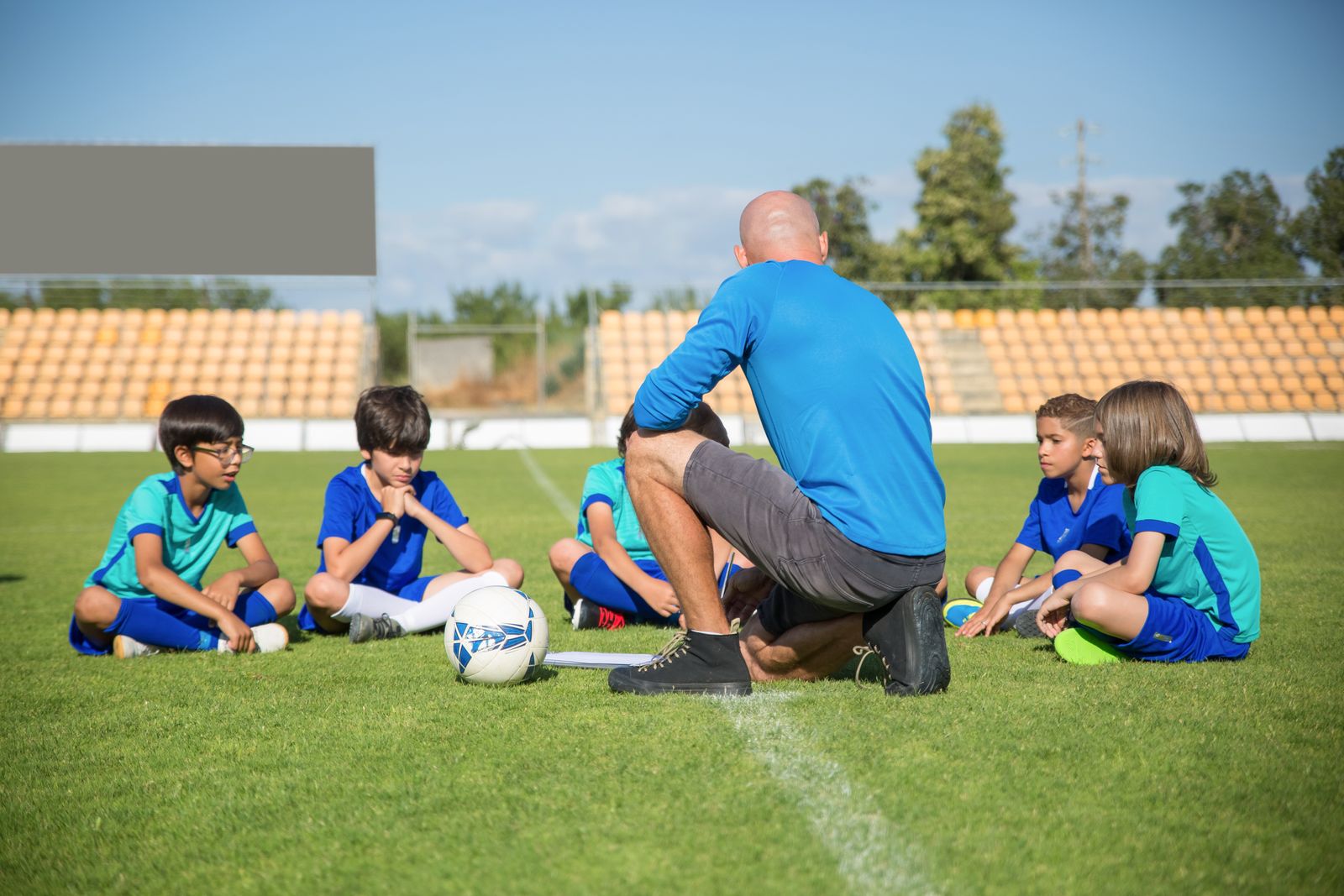
Somebody has to coach the team. Usually it’s the parent who didn’t step back fast enough when the league sent the email asking for volunteers. Plenty of dads over 40 end up with a clipboard, a bag of pinnies, and twelve eight-year-olds who have never once lined up where they were told.
It can be one of the best things you do as a father. It can also turn into a second job with worse hours and angrier clients. The difference usually comes down to a few decisions made before the first practice, and a few habits you keep all season.
Decide what the season is for
Before you plan a single drill, answer one question: what should these kids walk away with in October? For most recreational teams, especially under about age twelve, the honest answer is some version of this: they got better, they liked it, and they want to play again next year. Winning is nice. It isn’t the job.
Write that goal down in a sentence and keep it. When a parent complains about playing time, when you’re down by six at halftime, when your own competitive streak starts talking, that sentence is the tiebreaker. Travel and competitive teams are a different animal, with different expectations. Know which one you signed up for.
The parent meeting that saves your season
Most coaching headaches are really parent headaches, and most of them can be headed off in a fifteen-minute meeting or a clear email before the first practice. Cover a few things and put them in writing:
Your goal for the season, in one or two sentences.
How playing time works. In rec leagues, equal or close to equal is the norm and often the rule. Say so plainly.
How to reach you, and when. A good rule many coaches use: no conversations about a game until 24 hours after it ends. Emotions cool and talks go better.
What you need from them. On-time drop-off, a heads-up when a kid will miss practice, a snack rotation, and cheering for effort rather than coaching from the sideline.
Who’s helping. Ask for an assistant coach and a team parent on the spot. You can’t run a practice and answer texts about jersey sizes at the same time.
Coaching your own kid
This is the hard part, and both of you feel it. Kids of coaches often get held to a higher standard than everyone else, or they get the benefit of every doubt, and neither one is fair. Aim for the middle: treat your kid like any other player at practice and in games.
Talk to your kid about it before the season starts. Explain that at the field you’re Coach, and at home you’re Dad. Ask how they feel about you coaching. Some kids love it. Some would rather you sat in the stands, and that’s worth knowing.
I coached my son’s T-ball team and his first two seasons of Little League. I loved it. He didn’t, and after those seasons he didn’t want to play anymore. Kids don’t always love the sport you love, or having Dad in charge of it, and it’s better to find that out early and take the answer seriously.
Then watch the car ride home. It’s the place where a lot of well-meaning fathers undo a good day. A play-by-play critique with no escape route feels like a second game they already lost. Many coaches and youth sports organizations suggest a simpler habit: say something like “I love watching you play,” and let your kid decide whether to talk about the game. If they want feedback, they’ll ask. If they don’t, the season will still go fine.
Run practices that move
Young kids stop listening fast, and long lines kill a practice. A few rules of thumb keep things moving:
Plan it. Ten minutes with a notepad the night before beats improvising on the field. Write down three or four drills and how long each one runs.
Keep instructions short. Explain in under a minute, show it once, and get them moving. Correct as they go.
No long lines. If kids are standing around waiting their turn, split them into smaller groups or use more balls.
Play games. Small-sided scrimmages teach more than drills for most ages, and they’re what kids came for.
End on something fun. The last five minutes are what they remember on the way to the car.
Learn every kid’s name in the first week, and find one specific thing to say to each player over the course of a practice. Kids notice who gets noticed.
Sidelines, referees, and your own temper
Youth referees are often teenagers doing a hard job for not much money. Leagues around the country struggle to keep them, and officials say abuse from adults is a big part of why, as ESPN has reported. Set the tone yourself: no arguing calls, no sarcasm, a handshake or thanks after the game. The parents will follow your lead more than you’d expect.
Your own temper is the other thing to manage. Close games and bad calls bring out a version of most men they’d rather the kids didn’t see. Have a plan for it. Take a breath before you speak, keep your hands in your pockets, or hand the next timeout to your assistant. If you do lose your cool, apologize to the team at the next practice. That teaches more than a dozen talks about sportsmanship.
Safety basics you can’t skip
Most leagues require a background check and some form of safety training for coaches. Do it early. Many also require concussion training; the CDC’s free HEADS UP program covers how to spot a possible concussion and what to do. The rule to remember: when in doubt, sit them out, and don’t let a kid with a suspected head injury return to play the same day.
A few more habits protect the kids and you. Avoid being alone with a single player; keep another adult present or stay in plain view. Communicate with players through or alongside their parents, not by private message. Keep a basic first-aid kit and each player’s emergency contact in your bag. Know the plan for heat and lightning.
Keep it from eating your life
Coaching expands to fill whatever time you give it. Put limits on it from the start. Set a fixed amount of planning time each week. Use one group chat or app for all team communication and mute it after a certain hour. Let the assistant coach run part of practice. And protect at least some of your own weekend; a coach running on empty isn’t much fun to play for.
What your kid will actually remember
Years from now, your kid probably won’t remember the record. They’ll remember whether practices were fun, whether you were fair, how you acted when things went wrong, and whether you seemed glad to be there. That’s the real scoreboard. It’s also a lot of what fathering looks like in general, which is why the two jobs fit together so well.
For more on the bigger picture, read presence over presents and fathering a teenager is a different job than fathering a kid.



Leave a Reply