 LEGACY GENT
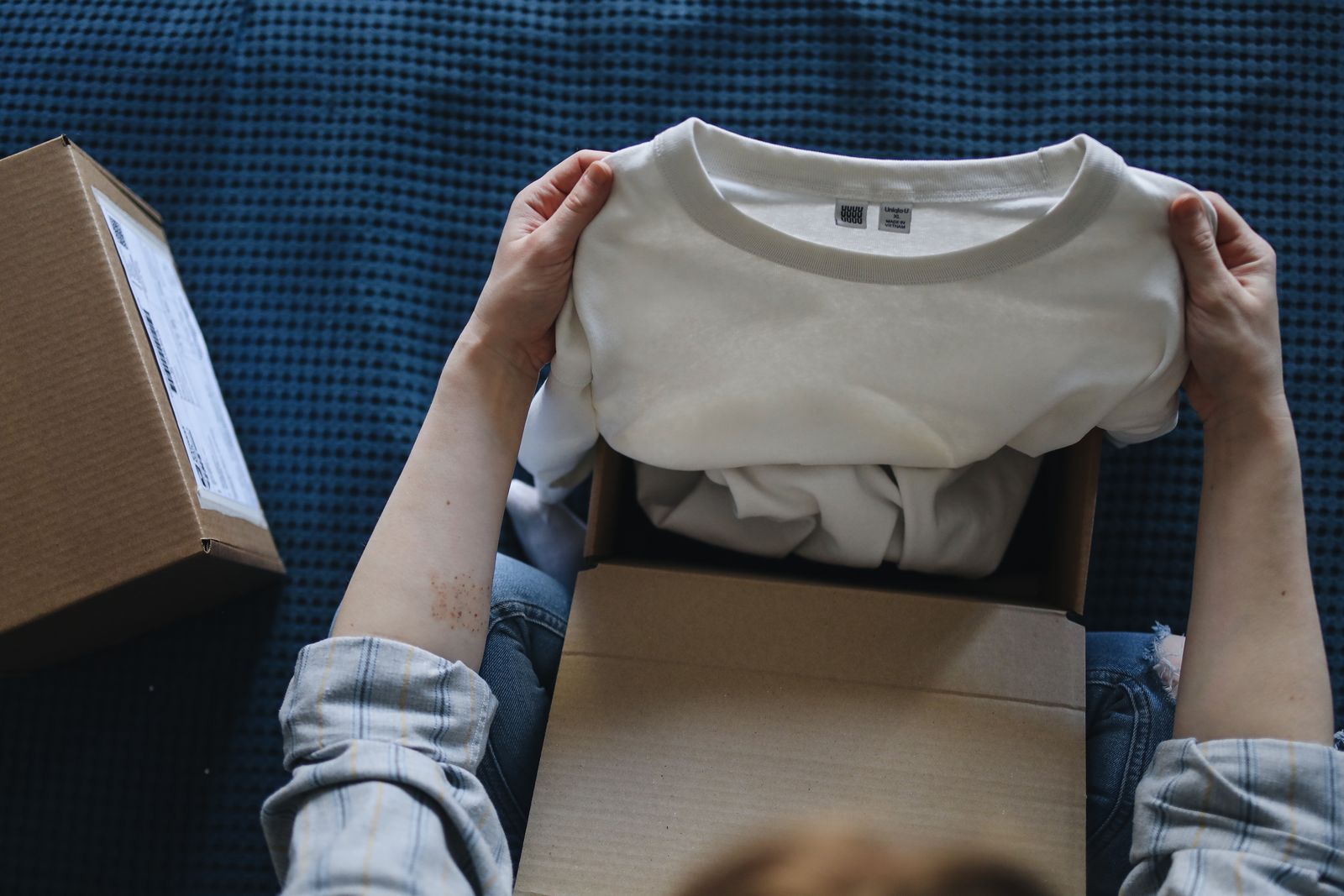
Most men over 40 have a drawer like this: college T-shirts that haven’t been worn in a decade. Faded, a little too tight in ways that have nothing to do with the shirts, and kept through every closet purge on the grounds of sentimental value. Look closely and most of them are free shirts from events nobody remembers attending.
One question clears the drawer
Organizing binges rarely fix this. They start strong on a Saturday morning and die by lunch. What works is a single question, asked of every shirt: would I buy this today, for any reason, at any price? For almost everything in that drawer the honest answer is no, and once the question is asked that plainly, the sentimental case collapses.
Keep two, not twenty
Sentiment is real, so give it a budget. Keep one or two shirts tied to a memory you can actually picture: a trip, a team, a person. Keep anything you still wear because it’s soft in the good way rather than the sad way. Everything else goes in a donation bag. If you can’t part with a few more, photograph them before they go. A picture holds the memory without holding the drawer.
What to put in the space
The replacement doesn’t need to be flashy or expensive. A handful of well-made basics does more than a drawer of old ones:
Heavier cotton. A mid- to heavyweight crewneck T-shirt holds its shape, hangs better over a midsection, and lasts years longer than a thin promotional shirt.
The right fit for now. Sleeves that hit mid-bicep, a hem that sits at the belt line or just below, and room through the chest without billowing. Fit for the body you have, not the one in old photos.
Plain colors. White, grey, navy, olive, and black. They work under a jacket, alone on a weekend, and with almost everything else you own.
Five to seven is plenty. More than that and the drawer starts filling with backups you’ll never reach.
A few good henleys or polos are worth adding if you want something a step up for casual dinners and weekend events.
Where the old shirts go
Clean shirts in decent shape can go to a donation center or a thrift store. Worn-out or stained ones are better off as rags for the garage, or dropped at a textile recycling bin, which many towns and some retailers now offer. If a handful still mean something, a T-shirt quilt is a popular way to keep them in a form you’ll actually use. Several companies will make one from shirts you mail in, or a local quilter can.
Run the same test on the rest of the drawer
Once the T-shirts are done, the same question works on everything else. Socks with holes. Underwear with tired elastic. Workout shorts from three gyms ago. Undershirts that have gone yellow at the collar. Would you buy any of it today? If not, it goes.
Then set a simple replacement rule to keep the drawer from filling up again: one in, one out. When a new shirt arrives, an old one leaves. It’s the easiest way to make sure the closet reflects who you are now and doesn’t slowly drift back into a museum.
A good time to do this is at the change of seasons, when you’re already moving clothes around. Twenty minutes, twice a year, keeps the job from ever becoming big.
Why it makes mornings easier
A drawer that only holds things you’d choose makes getting dressed simpler. There’s nothing to reach past, nothing to talk yourself out of. That sounds minor until you notice how many small decisions a cluttered closet asks of you every morning before the day has started.
The shirts were never really about the shirts
Old T-shirts are a low-stakes way of holding onto a version of yourself from twenty years ago. There’s nothing wrong with remembering him. But a closet built around who you used to be makes it harder to dress like the man you are now. Clearing the drawer is a small, concrete way to make that shift, and it usually takes less than an hour.
Once the T-shirts are sorted, work through the rest of the closet with the 40+ wardrobe checklist and our timeless wardrobe guide.