 LEGACY GENT
This article is general information for men over 40, not medical advice. Talk to your doctor before changing your diet, exercise, supplements, or health routine. See our full disclaimer.
For years the only question was whether to buy a smartwatch. Now there is a second option that sits on your finger, and it makes the same promise: better sleep, better recovery, better numbers. Smart rings spent a long time as a curiosity. Early in 2026, Bloomberg tested four of the leading models and described the category as moving into the mainstream. If you are over 40 and wondering whether any of this is worth your money, the useful question is not which gadget is best. It is which one you would actually wear every night and do something with.
What a ring does well
Most current smart rings track sleep, daily activity, heart rate, blood oxygen, and heart rate variability, the small beat-to-beat changes many people use as a rough read on stress and recovery. All four models in the Bloomberg comparison covered those basics, and in the reporters’ testing the Oura ring’s readings tracked most closely with the smartwatch they used as a benchmark.
The real appeal is what a ring leaves out. There is no screen, no buzzing alerts, and nothing to check at the dinner table. If you are already trying to quiet your phone, with something like the three-app notification rule, a device that collects data in the background is an easier fit than another wrist full of alerts. Battery life helps too. Manufacturers quote roughly six to eight days between charges on the leading models, so it can stay on your hand through most of a week.
Where a watch still wins
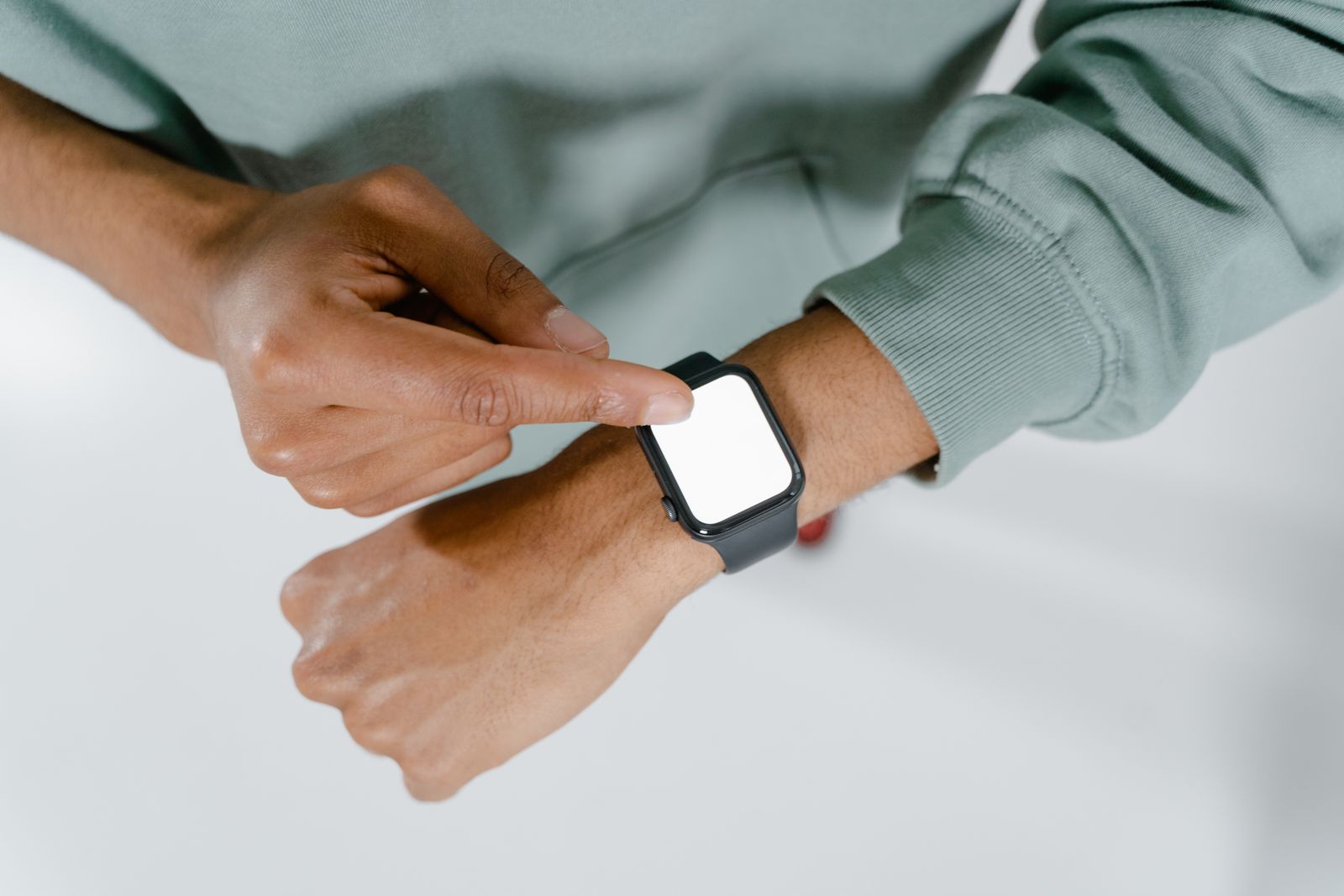
A ring is not a replacement for a good watch if you train with intent. Reviewers who have tested both keep landing in the same place: rings are strong on sleep and comfort, weaker on workout tracking. A watch gives you GPS for runs and rides, live heart rate during a hard session, a screen for intervals, and a quick glance at a text or calendar reminder.
Plenty of people split the job, wearing a watch for workouts and a ring for overnight and all-day tracking. If you only want one, let your habits decide. A man who runs four mornings a week is better served by the watch. A man who mostly wants to know why he wakes at 3 a.m. may be happier with the ring.
There is also a middle option: a hybrid smartwatch, which looks like a regular analog watch but handles notifications and step counting in the background. That is what I wear, a Citizen CZ Smart hybrid, mostly for notifications and some step tracking. I alternate it with a few traditional watches, because I like the feel of a standard watch better. If you mainly want to stop missing calls and texts without wearing a screen, a hybrid is worth a look.
What it costs
Bloomberg’s reporters listed the Oura Ring 4 Ceramic at $499, Samsung’s Galaxy Ring at $399 (Android phones only), the Ultrahuman Ring Air at around $349, and the RingConn Gen 2 Air at $199. Prices move and newer models have already followed, so check current pricing before you decide.
The sticker price is only part of it. Oura’s fuller feature set runs on a paid membership, while some competitors do not charge one, so compare the total cost over two or three years, not the day-one number. Fit matters as well. A ring that sits loosely gives poor readings, so use the manufacturer’s sizing kit before you order and confirm the return policy.
What the numbers can and cannot tell you
Consumer wearables estimate. They are good at showing direction over weeks and unreliable for a precise absolute figure, and the scores they produce, with names like readiness or recovery, are the company’s own calculations. Treat them as prompts for curiosity, not as a diagnosis.
Alcohol, a late meal, a brutal week at work, and a cold all show up in the data, and that is where most men find the value. You can see in plain numbers what two drinks do to your sleep. If a device flags something that worries you, or you have symptoms such as chest discomfort, unusual shortness of breath, or a racing heart, skip the app and call your doctor. Our guide to fixing sleep after 40 covers the habits that actually move those numbers, and what a sleep tracker shows that you can’t see yourself covers what the data can reveal.
A quick word on your data
A wearable collects some of the most personal information you produce: when you sleep, how your heart behaves, how you recover. Before you buy, read what the company says it does with that data, whether it shares it with partners, and how you can delete your account. Turn off any sharing you do not need, and use a strong, unique password for the app. A device that helps your sleep is not worth much if you are uneasy about where the numbers end up.
How to decide without overthinking it
Start with your goal, not the device. If it is training, buy the watch. If it is sleep and recovery and you dislike wearing something on your wrist, try a ring. If you already own a watch you like and it tracks sleep well enough, a ring adds very little.
Buy from a retailer with a generous return window, wear it for thirty days, and ask one question at the end: did I change anything because of what it showed me? If the answer is no, send it back. The best wearable is the one that changes a habit. Everything else is jewelry.




Leave a Reply